Port of Los Angeles Blocked 120 Million Cyberattacks in August
US ports and shipping lines face a growing wave of cyberattack attempts, the Financial Times reported. Figures from Los Angeles, Corpus Christi and more.
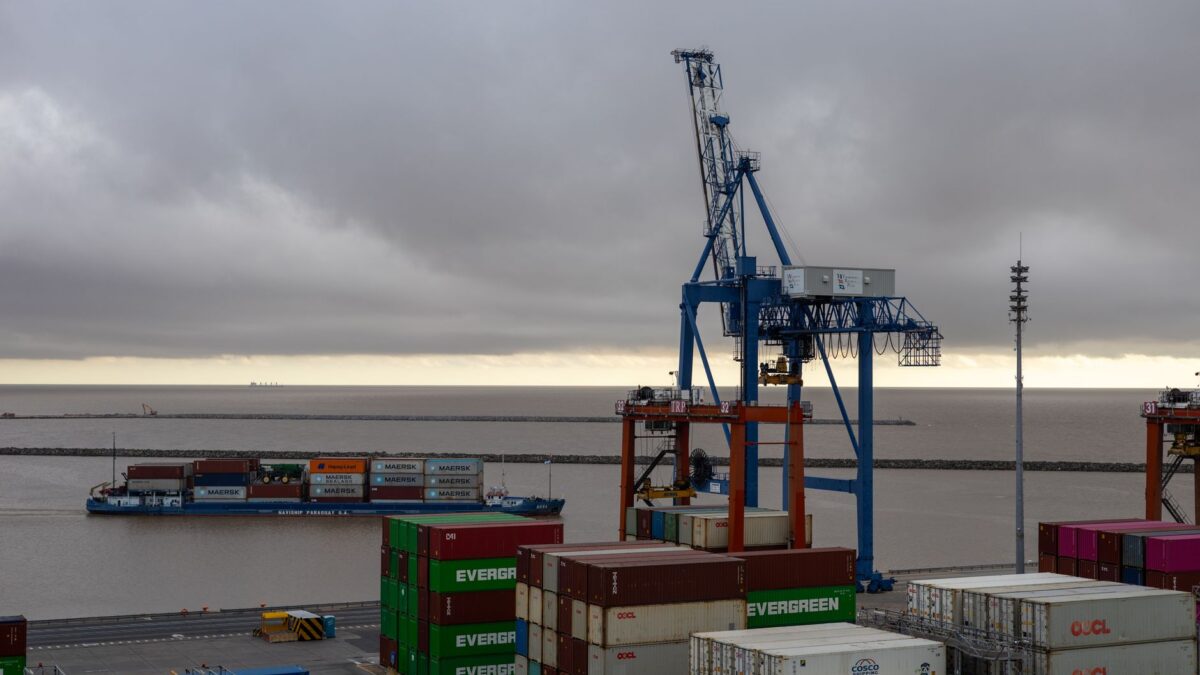
Major US ports and shipping companies are fighting a growing number of cyberattack attempts, the Financial Times reported on Sunday. The report raises concern about disruption to trade routes and energy supplies, and one North Carolina port has already had to run cargo processing by hand after an August attack.
The Port of Los Angeles said it blocked 120 million attempted cyberattacks in August. That is nearly twice its monthly average in 2023, according to the report.
What the ports are seeing
The Port of Corpus Christi in Texas is the largest US gateway for crude oil exports and handles around 2.3 million barrels per day. It faces hundreds or even thousands of attempted attacks every day, the Financial Times reported.
Port Chief Executive Kent Britton said hackers probe the port’s computer networks for weaknesses. They also pose as senior executives in fraudulent messages to try to get unauthorised access. The attacks range from automated password guessing to more sophisticated attempts to steal or destroy data.
The US Coast Guard recorded a 17 percent increase in maritime cyber incidents last year, the report said.
Attacks that reached operations
North Carolina Ports suffered a cyberattack in August that briefly delayed gate operations. Staff switched to manual cargo processing while the problem was dealt with.
Also in August, the Coast Guard and the FBI investigated suspected intrusions involving two US-bound tankers. The vessels were carrying crude oil and liquefied petroleum gas from the Mediterranean to Galveston, Texas. Their networks were reportedly compromised near the Strait of Gibraltar, and security inspections followed on Aug. 21 and Aug. 24. Authorities have not publicly named those responsible.
Shipping giant Maersk disclosed a data breach this month. The company said its operations were unaffected and that the incident did not involve ransomware.
Why it matters for trucking
Ports are where truck freight begins and ends for imported and exported cargo. The North Carolina incident shows what an attack can do at the gate: operations slowed and the work moved to manual processing. The attempts at Los Angeles and Corpus Christi are far larger in volume, though the report does not say any of them disrupted operations there.
The Financial Times account does not name the party behind any of the attacks. Drivers, owner-operators and carriers that serve these ports can watch for gate delays or changes to cargo handling announced by individual terminals and port authorities.
Source: TRT World