Colorado Approves Permits for Paid Chain-Up Help on I-70
Colorado's Transportation Commission approved a program letting private firms sell and install tire chains at chain stations. First permits could come in early 2027.
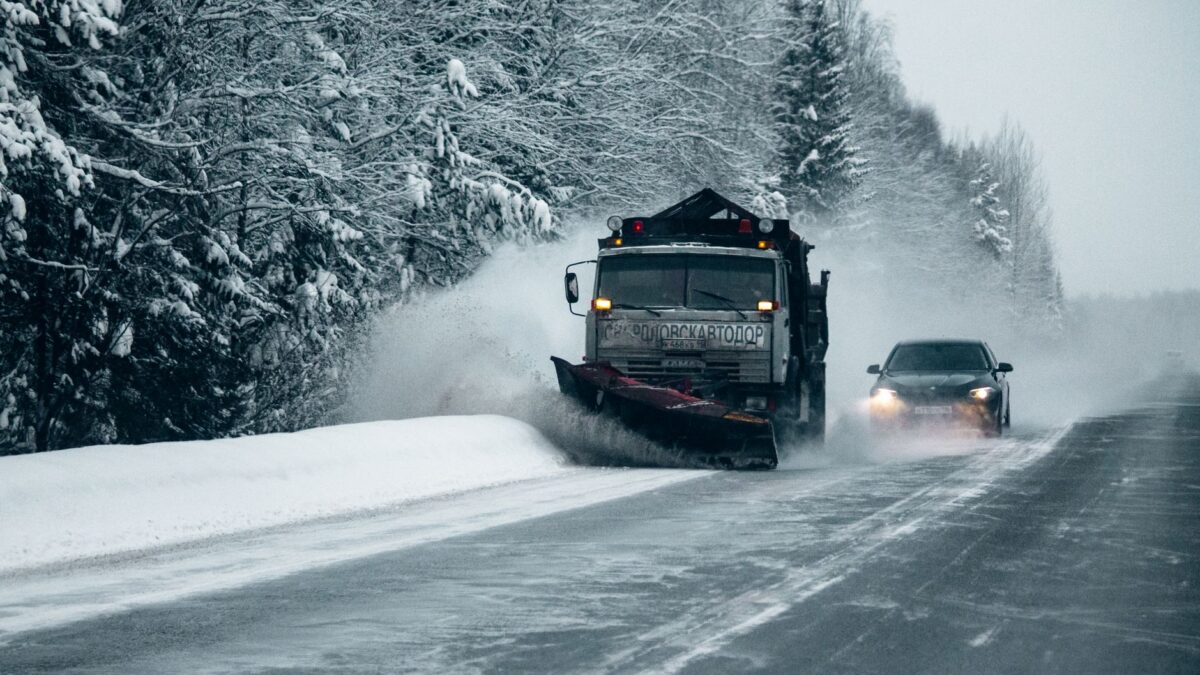
The Colorado Transportation Commission unanimously approved a program last week that will let private companies sell and install tire chains at highway chain-up stations, according to Land Line. The Colorado Department of Transportation (CDOT) said it could issue the first permits by early 2027.
CDOT says few truckers know how to put chains on, and drivers who stop at chain stations without chains or without the skills to fit them can block the stations for others.
What the program does
Gov. Jared Polis signed SB25-069 in May 2025. The law created a state permit system for independent companies to provide roadside assistance at chain-up stations along highways. Permitted companies can sell tire chains and other approved traction devices and can install them.
To take part, a company must:
- Complete the online permitting application
- Submit proof of insurance and bond
- Take part in required training and orientation
- Pay the required permitting fees
- Hold general liability insurance of at least $1,000,000 and workers’ compensation as Colorado law requires
The problem CDOT describes
Jori Ernst, a program manager in CDOT’s Office of Emergency Management, told the Aspen Times that truckers often pull into chain stations and “plug them up” because they have no chains or cannot install them. They then sit there, she said, which creates safety concerns for other truckers trying to chain up and move on.
Ernst said that when crews reach a truck that has spun out, drivers are often dressed in shorts and flip flops and are not going to put chains on. “I would say very few actually know how,” she said.
Colorado’s Must Carry Law took effect in September 2024. It requires all commercial motor vehicles to carry approved traction devices from Sept. 1 through May 31 on portions of Interstate 70 west, state Highway 9 and stretches of five U.S. highways. Recent Colorado State Patrol enforcement found that over 90% of vehicles were complying. Carrying chains satisfies the law, but the state says many drivers cannot install them.
What’s at stake for drivers and carriers
Once the program runs, drivers who cannot or do not want to fit chains themselves could pay a permitted company to do it at the chain station. Price is not yet settled. The commission still has to finalize Chain Assist Standard Operating Procedures, which will set how much companies can charge for traction devices and installation. The cap has not been announced. Ernst said the aim is to keep the program cost-effective for companies while protecting truckers from price gouging during bad weather.
The procedures will also limit where and what permitted companies may do. They may solicit only inside the chain assist zone. At the site they may offer only chain installation or removal, sales of elastic chain retainers, and sales of tire chains or other approved traction devices.
What to watch next
The commission’s final operating procedures, including the price cap, come first. CDOT said the first permits could be issued by early 2027. Drivers running the covered corridors this winter should note that the Must Carry requirement is already in force through May 31.
Source: Land Line