Colorado Floods Close Wolf Creek Pass, Send Truckers on Long Detours
Flooding in southwest Colorado closed Wolf Creek Pass and a US 160 bridge. CDOT detour routes for trucks to Pagosa Springs and Durango and repair status.
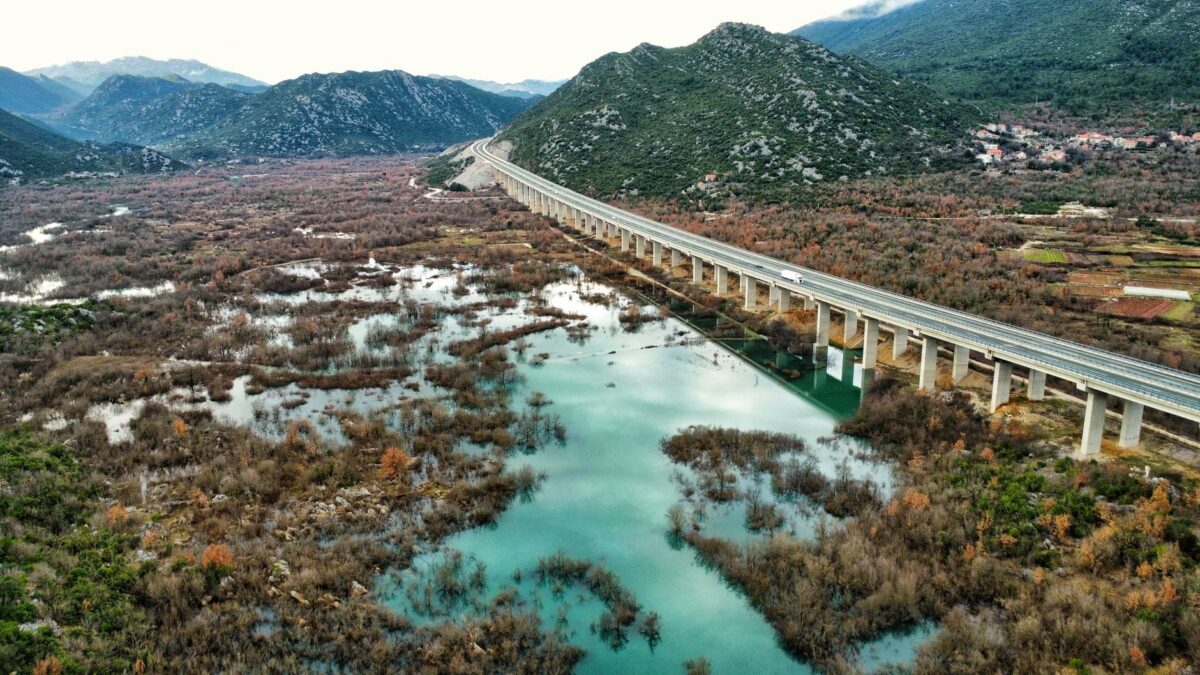
Flooding in southwestern Colorado has washed out roads and a bridge, closing common truck routes into Pagosa Springs and Durango. On Nov. 5 the Colorado Department of Transportation (CDOT) told commercial drivers to expect extensive detours and long delays, with some trips from Denver now taking just over eight hours.
CDOT asked all drivers to stay out of downtown Pagosa Springs, which is flooded. For freight crossing the state east to west, the agency’s guidance is to skip the rural mountain passes and use I-70 to the north or I-40 to the south.
What it means for freight into southwest Colorado
Loads bound for Pagosa Springs, Bayfield or Durango will take much longer to deliver, CDOT said, because the direct mountain routes are closed or under emergency repair. Drivers making essential deliveries into the area are expected to stay on state-designated routes. CDOT warned against GPS shortcuts onto unpaved seasonal forest roads or rural county roads: many of those backroads cannot handle a heavy truck’s turning radius, carry strict weight limits, have shoulder damage or may have been hit by the floods too.
The agency posts current closures, repairs and open corridors on COtrip.org and in its free COtrip Planner app.
Where the damage is
- US 160 over Wolf Creek Pass (mileposts 157 to 184.5) is closed from east of Pagosa Springs to South Fork. Flooding, mud and rock slides damaged at least four locations on the 33-mile stretch. High water on the South Fork of the Rio Grande undercut the shoulder and lanes and washed out part of the road through The Narrows, about six miles west of South Fork.
- On US 160 between Pagosa Springs and Durango (milepost 121), several sections of the 30-mile corridor need maintenance or emergency repairs. The Piedra River Bridge, 18 miles west of Pagosa Springs, lost its support piers and must be completely rebuilt. Crews plan to put in a temporary structure once site conditions allow.
- CO 151 south of Chimney Rock (mileposts 27 to 30) took new damage inside an existing emergency reconstruction zone. Water washed out another section on Nov. 1, about four miles south of the US 160 junction, and contractors are on site.
- CO 17 from Antonito to the New Mexico line (mileposts 0 to 39) was expected to reopen by the end of Nov. 5 for restricted access only, with no through traffic. Repairs continue on Cumbres and La Manga passes, and traffic cannot go past the state line because of heavy damage to NM State Highway 17, where the New Mexico Department of Transportation is working.
CDOT’s detour routes
From Denver to Pagosa Springs, a trip of just over eight hours, CDOT routes traffic south on I-25 into New Mexico. At Raton, drivers take US 64 west to Tierra Amarilla, then US 84/64 north to Chama, and stay on US 84/64 north back into Colorado and Pagosa Springs.
For essential trips between Pagosa Springs and Durango, which take around two and a half hours on the detour, the route runs south on US 84 into New Mexico, west on US 64 through Dulce to Bloomfield, then north on US 550 through Aztec and back into Colorado to Durango.
From Denver to Durango, also just over eight hours, the detour follows I-70 west to Grand Junction, US 50 south to Montrose and US 550 south to Durango. CDOT suggested that freight drivers look at the alternate route to the west on CO 145 through Telluride.
What comes next
Reopening dates for Wolf Creek Pass and the Piedra River Bridge were not disclosed. The CO 17 opening for restricted access is the next scheduled change, and the temporary structure at the Piedra River will go in when crews can work on the site.
Source: CDLLife