Trailer Types Compared: Dry Van, Reefer, Flatbed, Tanker and More
The trailer decides the freight, the paperwork and much of the daily work. Here is how seven common types differ on rules, training and routine.
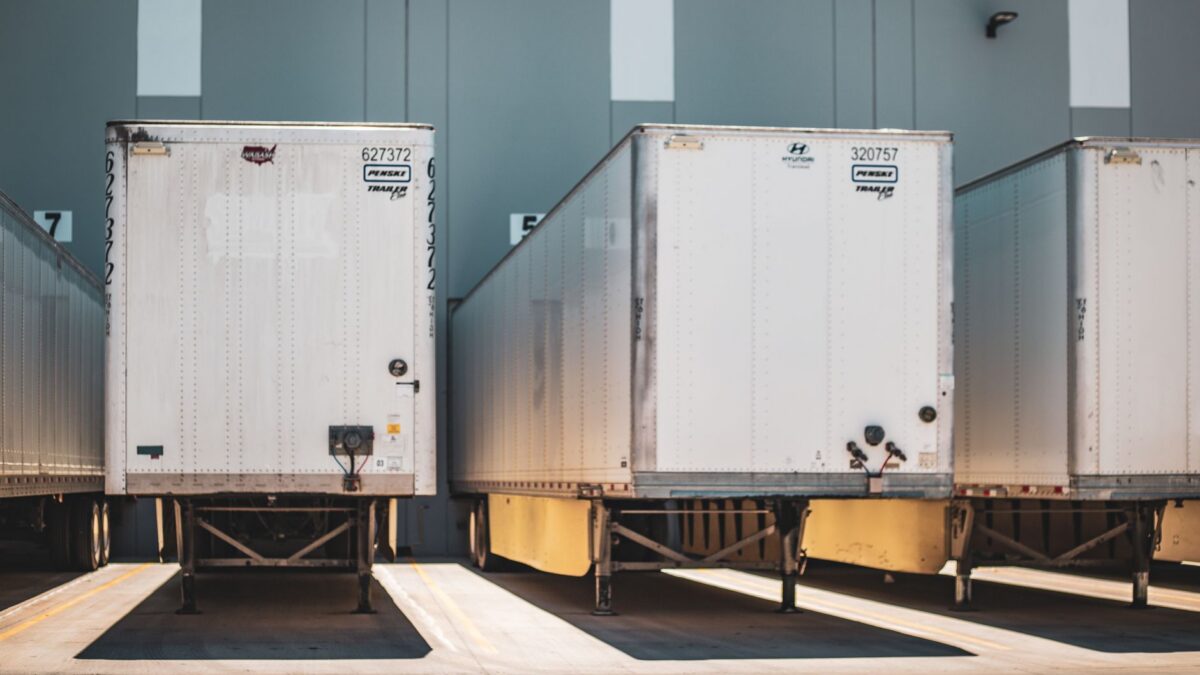
The trailer a driver pulls sets the freight, the extra rules and the daily routine. A dry van is the entry-level standard and needs only a Class A CDL. A reefer adds temperature control and food safety duties, a flatbed or step deck adds cargo securement and tarping, and a tanker requires the N endorsement and often H for hazmat.
What does each trailer type haul?
Each type exists for a kind of freight. The common ones on U.S. highways:
| Trailer | Typical freight | Extra license or rules | What changes for the driver |
|---|---|---|---|
| Dry van | Boxed and palletized goods, retail, paper, packaged food | None beyond Class A | Mostly no-touch freight; time at docks |
| Refrigerated (reefer) | Produce, meat, dairy, frozen food, some drugs | FDA sanitary transportation rule duties; set and record temperatures | Reefer unit fuel and settings, more appointments, overnight loading |
| Flatbed | Steel, lumber, building materials, machinery | Cargo securement rules in 49 CFR 393.100 to 393.136 | Chaining, strapping and tarping; physical work in all weather |
| Step deck | Taller machinery and equipment | Same securement rules; oversize permits for wide or tall loads | Lower deck height, more loading and ramp work |
| Tanker | Fuel, chemicals, milk, water, food-grade liquids | N endorsement; H or X for placarded hazmat | Liquid surge, loading racks, hoses, more safety procedures |
| Intermodal chassis | Ocean and domestic containers | Chassis inspection; TWIC for most port terminals | Port and rail ramp waits, short local runs |
| Car hauler | New and used cars and light trucks | Vehicle securement rules in 49 CFR 393.128 | Loading decks, hydraulic ramps, vehicle damage checks |
Do you need a special endorsement for a tanker?
Yes. The N endorsement is required for a tank vehicle, which federal rules in 49 CFR 383.5 define as a commercial vehicle built to carry liquids or gases in a tank with an individual rated capacity of more than 119 gallons and an aggregate capacity of 1,000 gallons or more. That covers fuel, milk, water and chemical tankers whether the tank is permanently mounted or temporarily attached.
Placarded hazmat needs the H endorsement, which includes a TSA security threat assessment and entry-level driver training theory for first-time applicants. The X endorsement combines tank and hazmat on one code. A pneumatic dry bulk trailer hauling cement or flour is generally not a tank vehicle, because the definition covers liquids and gases; confirm with your state licensing agency. Every code is explained in our guide to CDL endorsements and restrictions, and the T endorsement for doubles and triples matters for LTL linehaul work.
What extra rules apply to flatbed and step deck loads?
Flatbed and step deck drivers carry the full weight of the federal cargo securement rules: enough tiedowns that their working load limits add up to at least half the cargo weight, a minimum number of tiedowns based on the article’s length and weight, and commodity-specific rules for coils, logs, machinery and vehicles. The driver must check the load within the first 50 miles and again at set intervals. The numbers are set out in our guide to cargo securement rules.
A step deck sits lower than a standard flatbed, so it can carry taller freight without needing a height permit. There is no federal height limit; each state sets its own, so a tall load has to clear the lowest limit on the route. Loads that are too wide, tall or heavy need state oversize or overweight permits.
What do reefer drivers have to log?
Reefer loads of human and animal food fall under the FDA’s Sanitary Transportation of Human and Animal Food rule. Carriers must use vehicles and equipment that can hold the temperatures needed for safe transport, follow the temperature requirements the shipper specifies, and train their people in sanitary transport when they take on that responsibility in their agreement with the shipper. The rule requires records of written procedures, agreements and training; the FDA says retention does not exceed 12 months. Details are on the FDA sanitary transportation rule page.
Day to day, that means pre-cooling the trailer when the shipper asks, checking the set point against the bill of lading, and keeping the reefer unit’s temperature download available if a receiver rejects the load. The reefer unit burns its own fuel, so carriers track it separately; ask your IFTA base jurisdiction how reefer fuel is treated before you file.
What is different about intermodal and car hauler work?
Intermodal drivers pull containers on chassis, usually between ports or rail ramps and nearby warehouses. The chassis often belongs to a pool, a leasing company or the ocean carrier, and the driver has to inspect it before leaving the terminal. A transportation worker identification credential (TWIC) is needed for most port terminals. The rail side is covered in how intermodal freight works.
Car haulers load vehicles onto multi-level trailers with hydraulic decks. Under 49 CFR 393.128, each car, light truck or van up to 10,000 lb must be secured with at least two tiedowns at the front and rear. Drivers inspect every vehicle for damage at pickup and note it on the paperwork, because damage claims are a large part of the job.
Which trailer type is best for a new CDL driver?
New CDL graduates are most often hired for dry van and reefer work. Flatbed, tanker, hazmat and car hauling jobs more often require prior experience, partly because insurers set minimums for the carrier. Pay varies by carrier and by load, so compare written offers rather than averages; BLS publishes wage data for heavy and tractor-trailer truck drivers as a whole but does not break it out by trailer type.
Bottom line
Switching trailer types usually means new paperwork before new driving skills: a tanker job starts with an N endorsement test, a hazmat job with a TSA security threat assessment, and a flatbed job with learning to chain and tarp to federal working load limits. Drivers comparing job offers can weigh home time and equipment using our guide to OTR, regional and local jobs.
FAQ
Do you need an endorsement to pull a reefer?
No. A reefer is a box trailer, so a Class A CDL is enough. Food safety duties come from the FDA rule, not the license.
What is the difference between a flatbed and a step deck?
A step deck has an upper deck over the fifth wheel and a lower main deck, which lets it carry taller freight under state height limits. Both follow the same cargo securement rules.
Do tanker drivers need a hazmat endorsement?
Only for placarded hazardous materials such as most fuel loads. Milk, water and food-grade tankers need the N endorsement but not H.
Can I pull doubles without an endorsement?
No. Double and triple trailers require the T endorsement on a Class A CDL.