Union Pacific and Norfolk Southern Merger: STB Review and Trucking
The Surface Transportation Board is reviewing the largest rail merger in decades, and the applicants say it will pull millions of truckloads onto rail. Where the case stands.
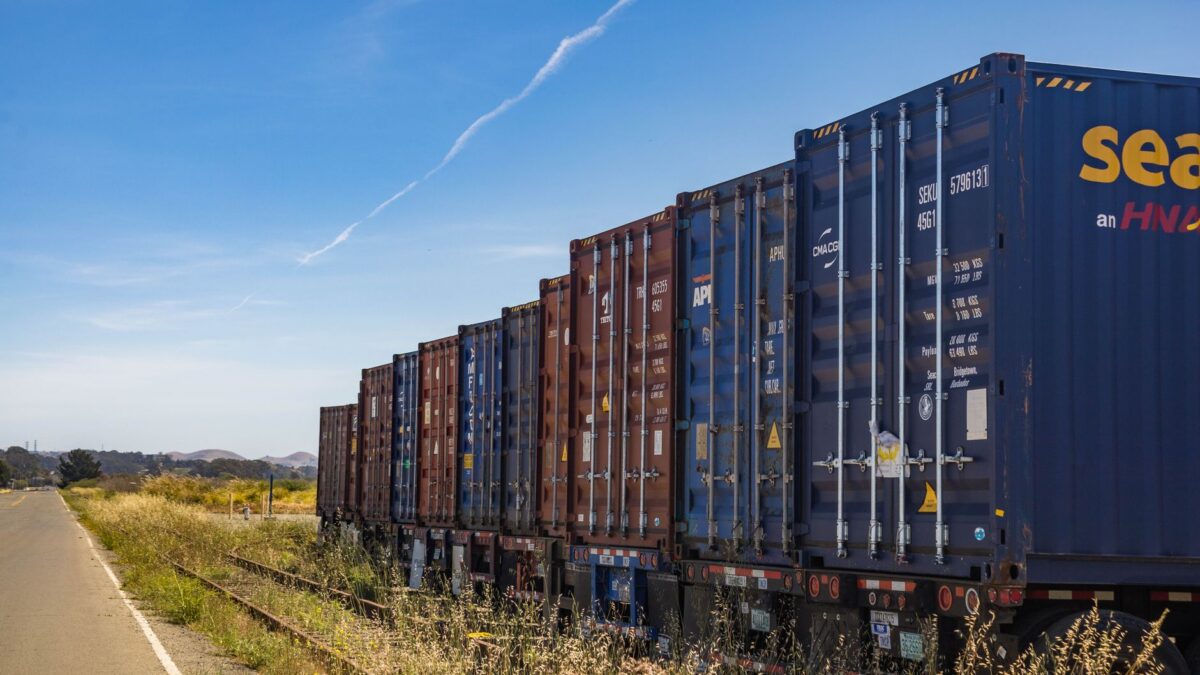
Union Pacific is seeking federal approval to take control of Norfolk Southern and combine the two into the first U.S. transcontinental railroad, linking UP’s western network with NS’s eastern one. The Surface Transportation Board accepted the revised application on May 28, 2026 and adopted a review schedule on August 18, 2026, with final briefs due May 28, 2027. As of November 2026 the merger is not approved.
What is the Union Pacific and Norfolk Southern merger?
The deal is a control transaction: Union Pacific Corporation would acquire Norfolk Southern Corporation and, through it, Norfolk Southern Railway, then combine the two railroads’ operations. Union Pacific operates about 32,880 miles of railroad in 23 states, mostly in the West, and Norfolk Southern about 19,200 route miles in 22 eastern states and the District of Columbia, according to the application as summarized by the Board.
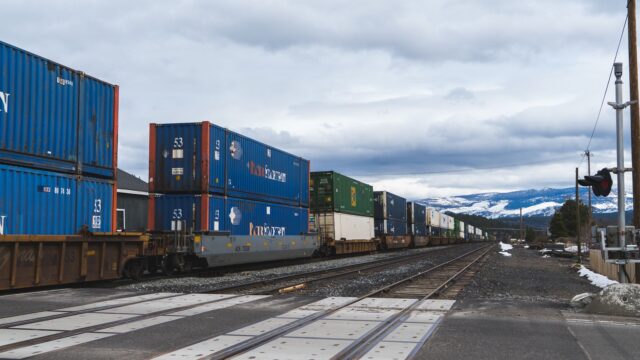
Today the two railroads hand traffic to each other at gateways including Chicago, St. Louis, Memphis and New Orleans. A combined railroad would offer single-line service coast to coast. The applicants describe the payment as cash plus one Union Pacific share for each Norfolk Southern share, with the cash portion and related fees expected to total $20.1 billion.
How has the STB review gone so far?
Because it combines two Class I railroads, the Board classified it as a “major” transaction, the category with the most demanding review. The record so far:
| Date | Board action or filing |
|---|---|
| July 30, 2025 | Railroads file notice of intent to apply |
| August 28, 2025 | Board classifies the deal as a major transaction (Decision No. 3) |
| December 19, 2025 | Original application filed |
| January 16, 2026 | Board rejects it as incomplete, without prejudice (Decision No. 9) |
| April 30, 2026 | Revised application filed |
| May 28, 2026 | Board accepts the revised application but holds the case in abeyance and asks for more data (Decision No. 21) |
| August 18, 2026 | Board lifts the abeyance and adopts a procedural schedule, rejecting the faster schedule the railroads proposed (Decision No. 30) |
The Board rejected the first application for two reasons. Its market share projections did not match the application’s own claims that the new railroad would grow by taking traffic from trucks and other railroads, and it did not include the entire merger agreement. Filings are in docket FD 36873; the schedule is in the Board’s Decision No. 30 in the Federal Register.
What are the next deadlines?
The adopted schedule sets these dates:
- November 18, 2026: comments, protests, requests for conditions and opposing evidence; responsive and inconsistent applications.
- December 3, 2026: preliminary comments from the Department of Justice and U.S. DOT.
- February 16, 2027: responses and the railroads’ rebuttal.
- March 29, 2027: rebuttals supporting responsive applications.
- May 28, 2027: final briefs.
A public hearing will be set in a later decision. The Board said it will try to issue a final decision within 90 days after the record closes, provided its environmental review is complete.
Who opposes the merger and what conditions are being sought?
Other railroads have been the most active critics so far. BNSF argued that the revised application was still incomplete and did not address competitive effects on TTX, the railcar pool that owns over half the well cars used for intermodal, of which UP and NS together own more than half. Canadian Pacific Kansas City backed BNSF’s procedural requests. The Board noted it would examine such competitive effects during the review.
Formal requests for conditions, such as access rights for other railroads or protections at gateways, are due November 18, 2026. Under the Board’s 2001 major merger rules, applicants have to show the deal would increase competition, not merely preserve it, and the railroads have offered gateway commitments as part of that case.
What could the merger mean for intermodal and truck drayage?
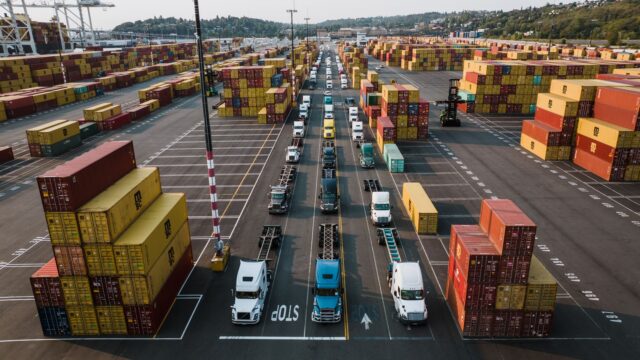
The railroads’ pitch is aimed at trucking freight. They estimate the merger would divert 2.1 million truckloads a year from highway to rail, saving shippers about $3.5 billion a year, and BNSF cited their claim of diverting 1.58 million intermodal units a year to the combined railroad. They also told the Board that capacity expansion and other measures would cost more than $2 billion.
For trucking, more intermodal freight means fewer long-haul truckloads on lanes that cross the current UP and NS gateways, and more short drayage moves to and from rail ramps. Drivers who work ramps and ports would see the effect first; how those jobs work is covered in how intermodal freight works and how port drayage works. Whether the diversion happens depends on rail service, which is exactly what opponents will test before the Board.
Bottom line
The Board refused the railroads’ faster schedule and, in August 2026, ordered them to resubmit workpapers with unfiltered data after finding that their diversion analysis appeared to filter out a large share of shipping locations, including at least 59% of intermodal locations. With final briefs due May 28, 2027 and a 90-day target after the record closes, the schedule points to a decision no earlier than the second half of 2027; the Board can approve the deal, reject it or approve it with conditions.
FAQ
Has the Union Pacific Norfolk Southern merger been approved?
No. As of November 2026 the STB is still building the record, with final briefs due May 28, 2027.
Who decides whether the merger happens?
The Surface Transportation Board, the federal regulator for freight railroads. The Justice Department and U.S. DOT can file comments, but the Board decides.
How can shippers or carriers comment?
File in docket FD 36873 on the STB website by November 18, 2026, and serve the parties listed in the Board’s decision. Filings without a certificate of service are not considered.
Would the merger hurt trucking jobs?
The railroads project 2.1 million truckloads a year moving to rail, which would cut some long-haul lanes and add drayage work near rail ramps. Those are the applicants’ estimates, and the Board has already questioned how the underlying analysis was filtered.