Class 8 Truck Orders Fall 36% in October as Fleets Hold Back Spending
North American Class 8 truck orders dropped 36% in October to 15,600 units, FTR says. Why fleets are holding off and what the numbers show for 2027.
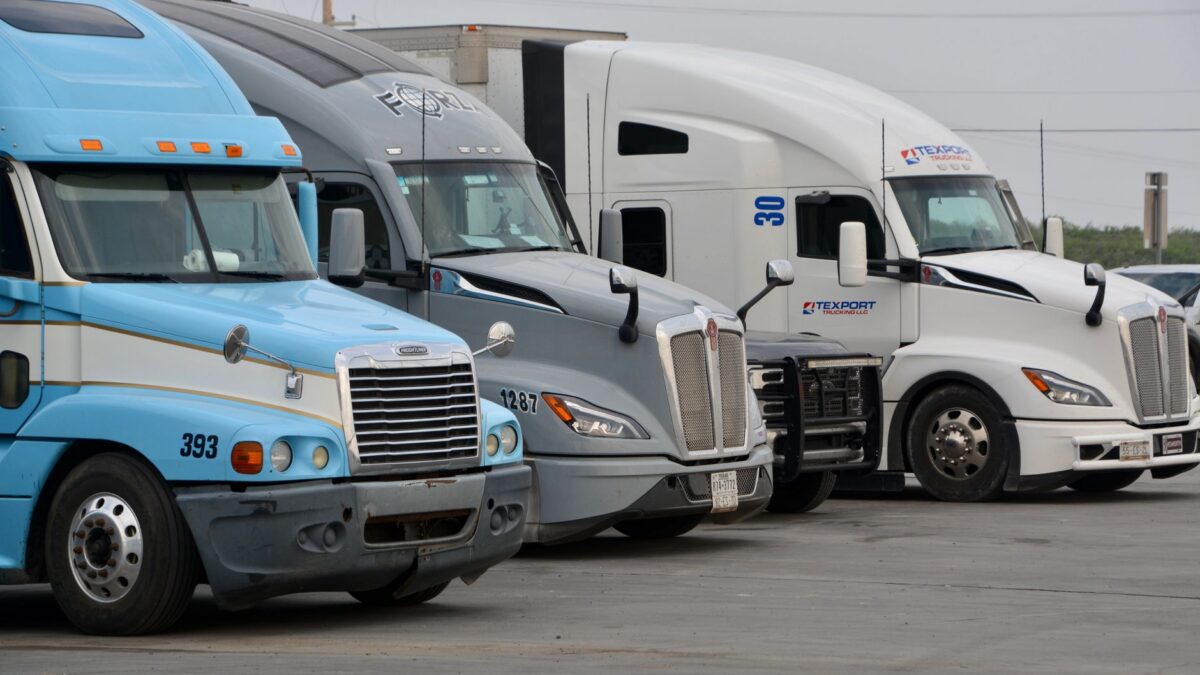
Fleets ordered far fewer heavy trucks in October. Preliminary North American Class 8 net orders came to 15,600 units for the month, a drop of 36% from a year earlier and 24% from September, according to data FTR Transportation Intelligence released Wednesday.
The October figure sits nearly 50% under the 10-year average for the month, which FTR puts at 31,089 units. It is a slow opening to the order season for 2027 model trucks, and it comes as carriers weigh rising costs against freight rates that have firmed up.
Where the order numbers stand
October was weak, but the full year still looks large. FTR counts 278,201 Class 8 orders so far in 2026, up 74% from the same stretch of 2025. Taken together, September and October orders reached 36,002 units, which is 20% below the same two months last year.
All of the figures are preliminary net orders, meaning new orders minus cancellations, and they cover North America.
Why fleets slowed their buying
FTR tied the pullback to uncertainty over regulation, higher prices for new equipment and squeezed operating margins. Dan Moyer, the firm’s senior analyst for commercial vehicles, said many carriers are earning better rates on loads but paying more to run their trucks.
“While freight rates are strong, so are costs for fuel, insurance, and labor,” Moyer said. In his view, those expenses may be holding back purchases for the time being.
Moyer also said fleets may be moving capital budgets toward trailers rather than tractors in the near term.
The EPA 2027 pre-buy is over
Part of the strength earlier in the year came from carriers buying ahead of emissions requirements expected in 2027. This early ordering before new rules take effect is known as a pre-buy.
According to Moyer, that early buying wave has now finished. With it gone, he said, orders depend more on how profitable fleets are, where they choose to spend capital and how clear the regulatory picture becomes.
What it means for carriers and owner-operators
For small carriers and owner-operators, the numbers show fleets are cautious about adding tractors right now. FTR still described the demand behind new heavy trucks as healthy. Moyer pointed to aging equipment that needs replacing, tighter trucking capacity and firmer freight rates as factors that support Class 8 sales.
FreightWaves noted that the soft start raises questions about manufacturers’ production plans for the coming year.
What to watch next
FTR suggested October may show delayed purchases more than lost ones. Moyer said the weak results suggest “some purchases may be deferred rather than canceled.”
He said orders could pick up once emissions requirements, production schedules and equipment pricing become clearer. Until then, carriers planning to replace tractors are buying in a market where order volume has cooled while freight rates are firm and capacity is tight.
Sources: FreightWaves, Yahoo Finance