Arizona Voters Limit Traffic Cameras, Reject Ban on Mileage Taxes
Arizona voters put new limits on red-light and speed cameras and narrowly rejected a mileage tax ban. Here is what each result means for truckers.
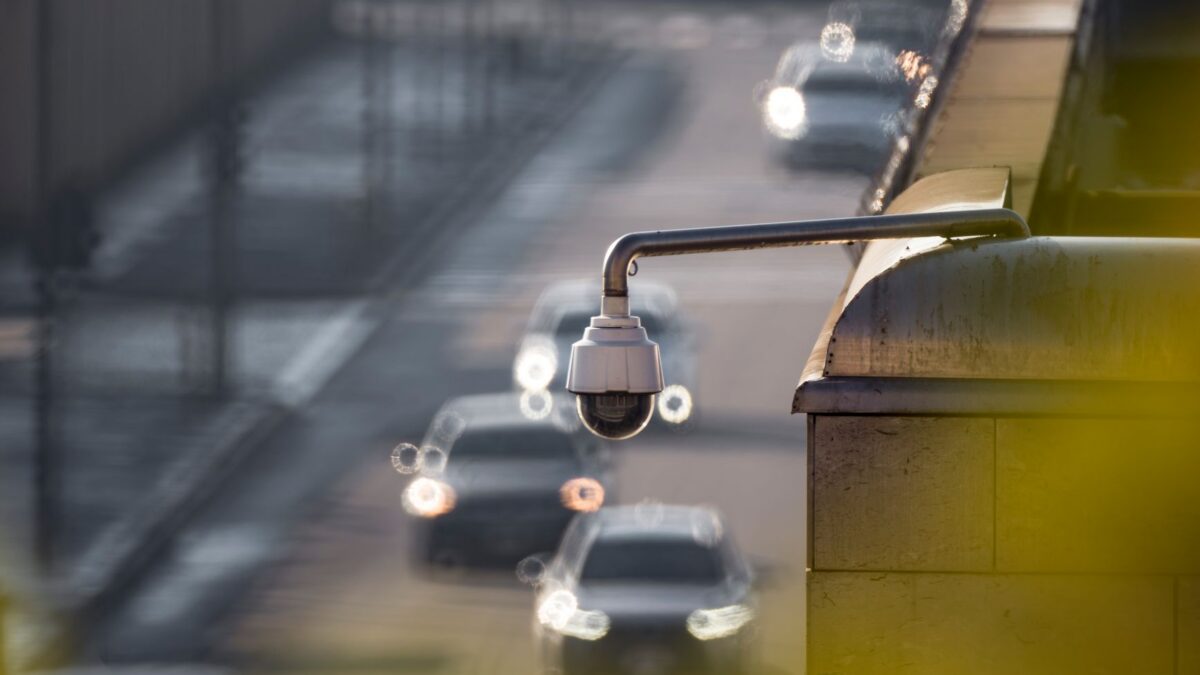
Arizona voters approved a constitutional amendment that sharply limits red-light and speed cameras, and by a 50-49% margin they turned down a proposal that would have banned taxes on the miles drivers travel. Both results touch what truckers pay to run on Arizona roads, Land Line reported.
Two big cities also voted on road money. Mesa voters approved $135 million in bonds for transportation work, while Tempe voters said no to a higher sales tax.
Proposition 319 puts camera programs to a local vote
Under Proposition 319, a city needs approval from its own voters before it can run speed or red-light cameras. The rule covers state and local governments alike.
The Insurance Institute for Highway Safety counts 14 Arizona cities with red-light or speed cameras. Five of them use both kinds: Chandler, Mesa, Paradise Valley, Scottsdale and Tempe.
Programs already running by Dec. 31 can keep going for now, but voters will decide their fate in November 2027. A program that wins approval can operate for 10 years before voters get another say on whether to end it.
Supporters of the measure argued that police work should protect the public instead of raising money from tickets. The Owner-Operator Independent Drivers Association (OOIDA) says cameras miss the bigger picture: enforcement should aim at safer roads and smoother traffic, and ticket revenue should not decide where cameras go.
Mileage tax ban fails by one point
Proposition 141 would have written a ban on vehicle miles traveled taxes into the Arizona Constitution. A VMT tax charges drivers for each mile they drive, and the money can pay for road building and repairs.
The amendment would have stopped state and local governments from charging by the mile. It also would have barred agencies from tracking or restricting a driver’s miles without that driver’s consent, and it would have blocked future mileage taxes meant to fund roads or support climate policies.
Some carve-outs applied. Mileage charges for commercial vehicles crossing state lines would have stayed legal, as would mileage taxes or limits on government-owned vehicles. Arizona has no VMT tax today and no system that tracks miles for one.
What it means for truckers paying fuel tax
The mileage tax debate in Arizona is driven by fuel tax money. The state charges 18 cents per gallon on gasoline and 18 cents per gallon on diesel for light-use vehicles. Large trucks pay 26 cents per gallon.
Supporters of the ban said drivers needed protection as interest in mileage taxes grows and fuel tax revenue keeps falling. Opponents said a per-mile charge could make up for revenue lost as vehicles burn less fuel.
With the ban rejected, nothing in the constitution stops a future mileage tax. For truck operators that would mean road costs tied to every mile on the odometer, plus open questions about how those miles get recorded.
Mesa approves $135 million in road bonds
Mesa, in congested Maricopa County, passed Question 2. The city can now issue $135 million in bonds for transportation projects without raising its sales tax, though property taxes can be used to repay the debt.
The city plans to spend the money on pavement repairs, street improvements and traffic signals, with the stated goals of safer streets and less congestion. Smoother pavement and better signals at intersections affect trucks moving freight through the city as much as cars.
Tempe rejects half-cent sales tax increase
Tempe voters turned down Proposition 424, which would have raised the local sales tax rate by a half-cent, from 1.8% to 2.3%. The increase was projected to bring in about $50 million a year, with part of it going to transportation, mainly multimodal projects and upgrades to local transit.
Backers called the sales tax a fair way to pay for transit improvements. Opponents said residents already face higher prices for everyday goods and that this was a bad moment for a tax increase.
What happens next
Cities with cameras in place by Dec. 31 will have to put those programs before voters in November 2027. Any program that passes then can run for 10 years before facing another vote.
Source: Land Line