NACFE Study: Linehaul Fleets Hit Record 7.96 MPG as Day Cabs Go Aero
NACFE's Fleet Efficiency Study found record 7.96 mpg in linehaul and more aero on day cabs. See what it says for smaller carriers buying used trucks.
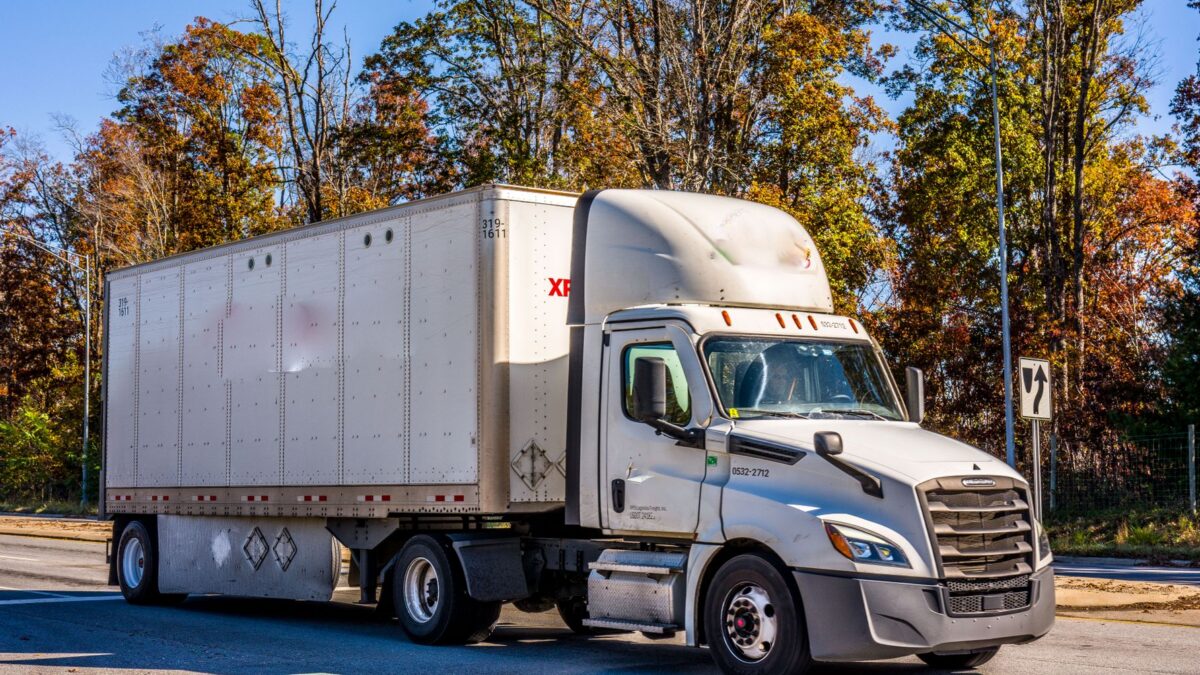
Linehaul fleets reached a record average fuel economy of 7.96 mpg in 2025, according to the North American Council for Freight Efficiency (NACFE). The nonprofit’s 12th study of fleet efficiency options also found carriers putting aerodynamic equipment on day cab tractors more than ever, as diesel prices have climbed over the past 12 months.
NACFE released the study, now titled The Fleet Efficiency Study (formerly the Fleet Fuel Study), at a Nov. 19 news conference, Transport Topics reported. Regional haul fleets averaged 7.29 mpg.
Day cabs are getting aerodynamic equipment
NACFE Executive Director Mike Roeth called the idea that day cabs are city tractors that never reach speed, so aerodynamics does not pay off, a set of “myths.” Less-than-truckload carriers spend time on the freeway, he said, and the same truck that works a city route by day can run linehaul at night with a spec built for fuel efficiency.
NACFE Director of Engineering Yunsu Park told Transport Topics that regional haul fleets generally buy the same technology as longhaul fleets at the same rate, with two exceptions: cab extenders and full chassis skirts. Roeth said those can be damaged in tight deliveries, such as when a driver backs into a downtown dock surrounded by cars.
Technology adoption numbers
The study looked at 86 technologies aimed at efficiency gains. Every participating fleet used in-cab cameras and set engine parameters for fuel economy in 2025, up 25 percentage points and 32 percentage points, respectively, from 2023. The biggest increases since the last study came in smart air dryers and compressors (149%) and aluminum trailer wheels (95%).
Regional haul has become a larger share of the sample. In 2010, 35% of participants were classified as regional haul. In 2025, the share was 57%. J.B. Hunt, Ryder System and Schneider were among the fleets that supplied data for the 2026 study.
NACFE said regional fleets may see further gains as they add battery-electric tractors, which have performed better on urban routes with frequent braking and in operations with overnight depot charging. Roeth said electric trucks suit those duty cycles because regenerative braking recovers energy into the battery pack.
Why it matters: diesel cost and used-truck buyers
The American Transportation Research Institute ranked fuel prices as the industry’s top concern in its 2026 issues list, up 17 spots. Diesel cost ranked No. 1 for the fourth time in the survey’s history and, for the first time, was a top concern for drivers, including owner-operators.
Roeth said large carriers’ focus on fuel efficiency and their willingness to buy newer equipment also benefits the rest of the industry. Truck efficiency across North America has improved substantially over the past five years, he said, because smaller carriers and owner-operators can now buy used trucks that get better mileage.
NACFE’s recommendations for fleets
NACFE listed five recommendations for fleets weighing efficiency technology:
- Collect and monitor fuel consumption by vehicle.
- Commit to and budget for an ongoing plan of mpg improvement.
- If possible, set up a test route and designate a driver to test new technologies.
- When buying used equipment, buy from fleets known for good fuel economy.
- Allow for failure.
Source: Transport Topics