Diesel Fuel Tax by State: Why Some States Cost More at the Pump
Federal and state diesel taxes in one table, why pump prices differ across a state line, and how IFTA settles tax by where you drove, not where you fueled.
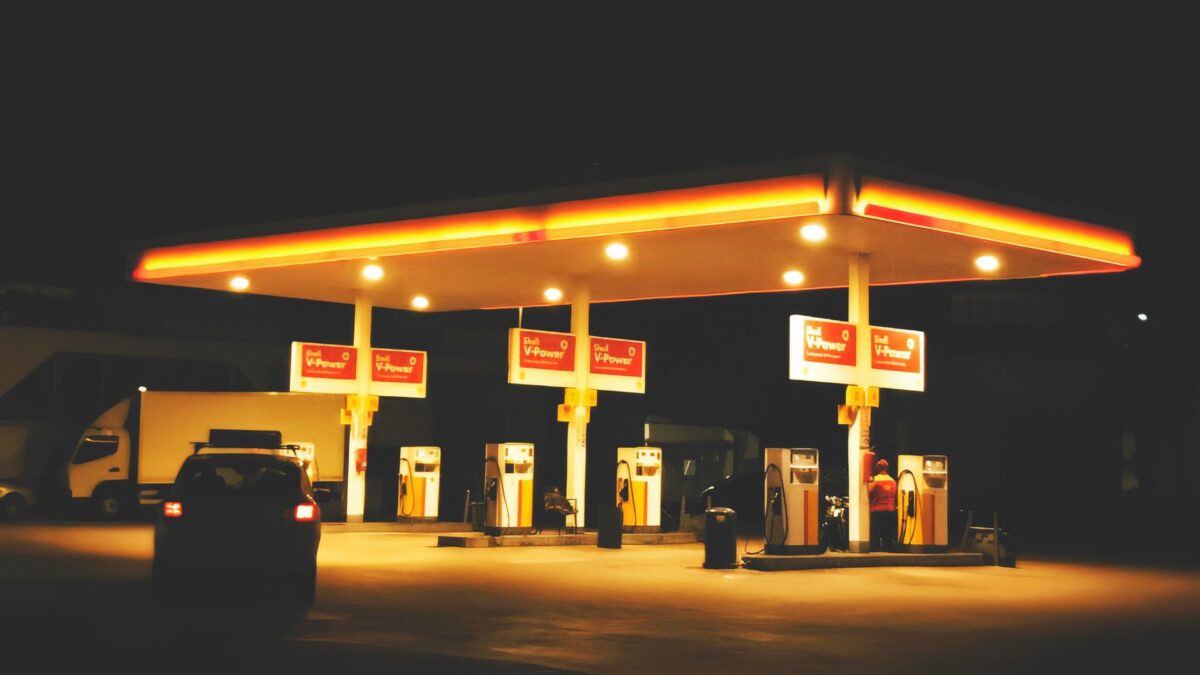
Every gallon of on-highway diesel in the United States carries a federal excise tax of 24.4 cents, unchanged since October 1, 1997, plus a state tax that differs widely. In the Federal Highway Administration’s latest state table, covering the 2024 reporting period, state diesel taxes reached 74.1 cents a gallon in Pennsylvania, compared with 20 cents in Texas and 8 cents in Alaska.
Taxes are only part of the pump price, which also reflects crude oil, refining, distribution and local competition. Many states adjust their rates every year or more often, so the figures below show a dated snapshot, not today’s rate.
What is the federal diesel tax?
The federal tax on diesel is 24.4 cents per gallon, compared with 18.4 cents on gasoline. Both rates took effect October 1, 1997. It is built into the price at the pump and goes to the Highway Trust Fund, which also receives the heavy vehicle use tax paid on Form 2290.
How much is the diesel tax in each state?
The table lists selected states from FHWA’s Highway Statistics table MF-121T, 2024 reporting period, published October 2025, with the date each rate took effect. Rates are in cents per gallon and exclude local taxes.
| State | Diesel tax (cents/gal) | Effective | FHWA note |
|---|---|---|---|
| Pennsylvania | 74.1 | Jan 1, 2024 | Includes the Oil Company Franchise Tax, adjusted annually |
| Illinois | 54.5 | Jul 1, 2024 | Motor carriers pay an additional 6.5 cents on diesel |
| Connecticut | 52.4 | Jul 1, 2024 | Plus a petroleum products gross earnings tax |
| Washington | 49.4 | Jul 1, 2016 | |
| New Jersey | 49.3 | Oct 1, 2023 | Plus a petroleum products gross receipts tax |
| Ohio | 47.0 | Jul 1, 2019 | |
| Maryland | 46.9 | Jul 1, 2024 | |
| California | 45.4 | Jul 1, 2024 | |
| North Carolina | 40.4 | Jan 1, 2024 | Adjusted twice a year |
| Oregon | 40.0 | Jan 1, 2024 | Trucks paying motor-carrier (weight-mile) fees are exempt |
| Georgia | 36.2 | Jan 1, 2024 | |
| Florida | 30.4 | Jan 1, 2024 | Adjusted annually |
| Texas | 20.0 | Oct 1, 1991 | |
| Oklahoma | 19.0 | Jul 1, 2018 | Includes 1 cent for a tank cleanup fund |
| Mississippi | 18.4 | Aug 1, 2000 | Includes 0.4 cents for groundwater protection |
| Alaska | 8.0 | Sep 1, 2009 | |
| Federal (all states) | 24.4 | Oct 1, 1997 |
Rates with an effective date in 2024 or earlier may have changed since. For the rate in force this quarter, use the state revenue agency or the IFTA quarterly tax rate matrix that base jurisdictions use for returns.
Why does diesel cost more in some states?
Tax is one reason, and a large one: in FHWA’s table the gap between Pennsylvania and Texas alone was 54 cents a gallon. Other reasons include distance from refineries and pipelines, state fuel blend and environmental programs, sales taxes some states apply on top of the per-gallon tax, and local competition between truck stops.
Some states charge trucks differently from cars. Oregon exempts trucks that pay its weight-mile tax from the diesel tax. Virginia adds 3.5 cents for vehicles of 26,000 pounds or more with three or more axles, and Kentucky applies a surtax to special fuels for vehicles with three or more axles. Those details mean the sticker price at the pump may not equal the tax a carrier finally owes.
How does IFTA reconcile the tax paid at the pump?
Under the International Fuel Tax Agreement, a carrier owes each member state tax on the fuel burned on that state’s roads, not on the fuel bought there. The quarterly return compares the two and nets them out.
Simplified example using the FHWA table rates: a truck gets 6 miles per gallon and drives 1,200 miles in a quarter, 600 in Oklahoma and 600 in Pennsylvania, buying all 200 gallons in Oklahoma.
- Fuel used in each state: 600 ÷ 6 = 100 gallons in Oklahoma and 100 in Pennsylvania.
- Tax owed: Oklahoma 100 × $0.19 = $19.00; Pennsylvania 100 × $0.741 = $74.10.
- Tax paid at the pump: 200 × $0.19 = $38.00, all to Oklahoma.
- Result: a $19.00 credit with Oklahoma and $74.10 due to Pennsylvania, so the carrier pays $55.10 with the return.
Buying cheap fuel in a low-tax state lowers the pump price, but the tax difference comes back through the return for miles driven in high-tax states. Filing rules and deadlines are in our IFTA fuel tax guide, and the effect on rates is in how a fuel surcharge is calculated.
Where can you see current diesel prices?
The U.S. Energy Information Administration publishes weekly retail on-highway diesel prices for the nation and for regions such as the East Coast, Midwest, Gulf Coast, Rocky Mountain and West Coast, with California shown separately. Many fuel surcharge tables are tied to that series. The data is on EIA’s gasoline and diesel fuel update.
Bottom line
Fueling decisions should weigh the pump price against where the miles will be driven, because IFTA collects the difference anyway. What still saves money is the part of the pump price that is not tax, such as network discounts and competition, so compare price before tax, not the posted price alone.
FAQ
Which state has the highest diesel tax?
Pennsylvania, at 74.1 cents per gallon in FHWA’s table for the 2024 reporting period. The rate includes an oil company franchise tax adjusted each year.
Is the federal diesel tax going up?
The federal rate has been 24.4 cents per gallon since October 1, 1997. Any change would require an act of Congress.
Does buying fuel in a cheap state save tax?
Not for IFTA carriers. You owe tax based on miles driven in each state, and tax paid elsewhere is credited or refunded through the quarterly return.
Is diesel tax the same for cars and trucks?
In most states the per-gallon rate is the same, but a few, such as Virginia and Kentucky, add charges for heavy trucks, and Oregon taxes most trucks by weight and mileage instead.