DOT Inspection Levels I Through VIII: What Each One Checks
The eight CVSA roadside inspection levels side by side, how out-of-service orders work, when you get a CVSA decal, and what the carrier must do with the report.
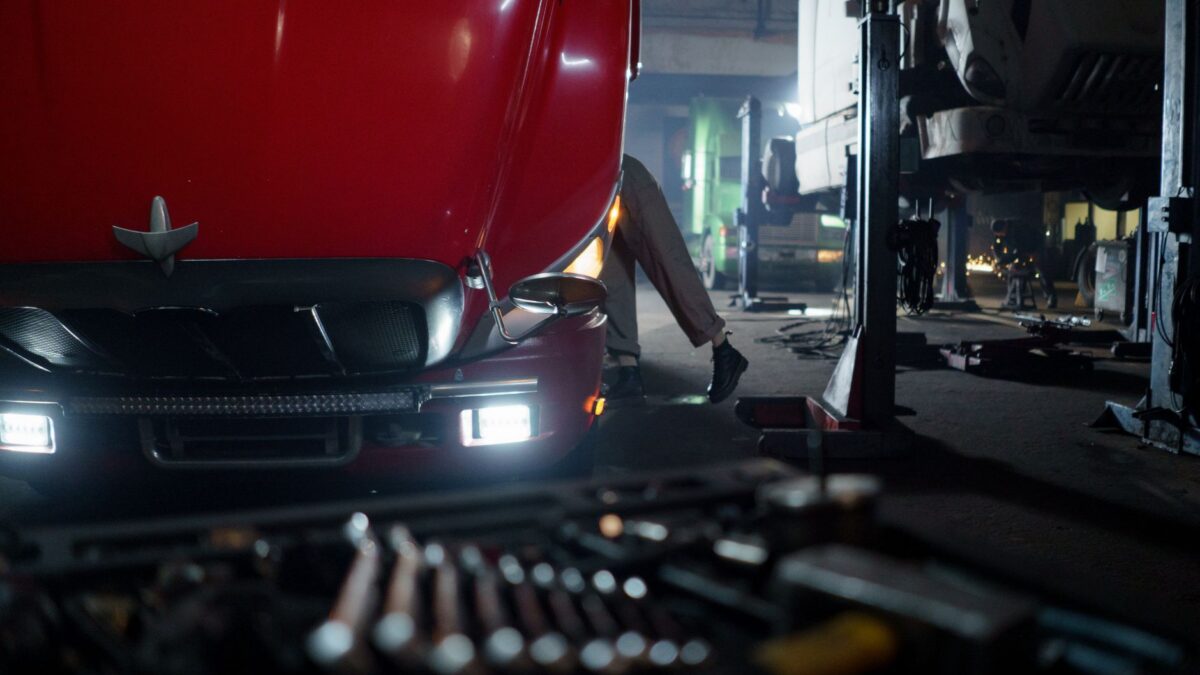
Roadside truck inspections in the U.S., Canada and Mexico follow eight levels set by the Commercial Vehicle Safety Alliance (CVSA). Level I is the full inspection of driver and vehicle, including underneath; Level II covers the same items without going under the truck; Level III checks only the driver’s credentials and records. Levels IV through VIII are special, vehicle-only, radioactive-cargo, state-mandated and electronic inspections.
Federal and state inspectors use the same procedures and the same out-of-service criteria, so a Level I in Texas covers the same items as a Level I in Ohio. This guide reflects the rules as of November 2026.
What does each DOT inspection level check?
| Level | Name | What it covers |
|---|---|---|
| I | North American Standard Inspection | Driver documents and condition plus a full vehicle check, including brakes, coupling devices, exhaust, frame, fuel system, lights, cargo securement, steering, suspension, tires, wheels and, where relevant, hazmat |
| II | Walk-Around Driver/Vehicle Inspection | Everything in Level I that can be checked without the inspector getting under the vehicle |
| III | Driver/Credential/Administrative Inspection | License, medical certificate, hours of service records, seat belt, driver vehicle inspection reports, hazmat paperwork and similar documents |
| IV | Special Inspection | A one-time examination of a particular item, usually to support a study or check a suspected trend |
| V | Vehicle-Only Inspection | The Level I vehicle items with no driver present, at any location, such as a carrier’s terminal |
| VI | Enhanced NAS Inspection for Radioactive Shipments | A Level I inspection plus added procedures for certain radioactive shipments |
| VII | Jurisdictional Mandated Commercial Vehicle Inspection | Inspection programs a state or province requires, such as school bus or limousine inspections, that do not fit Levels I through VI |
| VIII | Electronic Inspection | Checks done electronically or wirelessly while the vehicle is moving, with no direct contact with an officer |
Level I takes the longest because the inspector goes under the truck and measures brake adjustment. Level III, a records check, is the shortest.
What do inspectors look at during the driver part?
The driver portion of a Level I, II or III inspection usually covers:
- CDL class, endorsements and restrictions, and whether the license is valid;
- medical examiner’s certificate or medical variance;
- hours of service records for the current day and previous 7 days, usually from the ELD;
- seat belt use and signs of alcohol, drug use or illness;
- English language proficiency, which since June 25, 2025, can lead to an out-of-service order;
- shipping papers and placards for hazmat loads.
Be ready to transfer ELD records to the inspector. The steps and the paperwork you must carry are in our guide to ELD rules.
What gets a truck or driver placed out of service?
A truck or driver is placed out of service when a violation meets CVSA’s North American Standard Out-of-Service Criteria, which CVSA updates each year with a new edition effective April 1. Common examples include:
- Vehicle: defective or out-of-adjustment brakes beyond the allowed limits, tires with exposed cords or flat tires, cracked or loose wheel parts, missing or broken cargo securement, and inoperative required lamps at night.
- Driver: driving beyond hours of service limits, no valid CDL or the wrong class, no medical certificate, false logs, alcohol or drug violations, and failing the English proficiency check.
A vehicle placed out of service may not be driven until the listed repairs are made; it can be towed only by a vehicle using a crane or hoist (49 CFR 396.9(c)). Removing the out-of-service sticker before repairs is a violation. A driver placed out of service for hours must take the required off-duty time before driving again.
How do you get a CVSA decal?
A truck earns a CVSA decal by passing a Level I or Level V inspection with no critical violations, meaning nothing that meets the out-of-service criteria. The decal is valid for up to three months, and its color and markings show when it was issued.
Inspectors generally do not reinspect a truck with a current decal unless they see an obvious defect. The decal covers the vehicle only; the driver’s credentials and hours can still be checked.
What happens after an inspection report?
The inspection report follows a set path under 49 CFR 396.9:
- The driver gets a copy and gives it to the carrier at the next terminal, or sends it within 24 hours if the driver will not reach one.
- The carrier reviews it and repairs every listed defect.
- Within 15 days of the inspection, a carrier official signs the report to certify the repairs were made.
- The carrier returns the signed report to the state only if the issuing state asks for it. This change took effect July 22, 2026; before that, carriers had to return every report.
- The carrier keeps a copy for 12 months at its principal place of business or where the vehicle is housed.
The inspection, with or without violations, also goes into FMCSA’s data. Violations count in the carrier’s Safety Measurement System results for 24 months, and clean inspections help by adding to the number of inspections the violations are measured against. How that scoring works is in our guide to CSA scores.
Can you challenge an inspection violation?
Yes. A driver or carrier who believes a violation was recorded wrongly can file a request for data review through FMCSA’s DataQs system. The request goes to the state that did the inspection. Under requirements FMCSA announced on April 16, 2026, and scheduled to take effect about 150 days later, states must use a three-stage review (initial review, reconsideration and final review) by different reviewers and decide an initial request within 21 days. The burden of proof is on the person filing, so attach photos, repair records, ELD data or anything else that shows the error.
Bottom line
A clean Level I or Level V inspection is worth more than the decal, because each violation-free inspection dilutes the weight of past violations in the carrier’s safety data. Carriers no longer have to mail signed reports to states that do not ask for them, but the 15-day repair certification and 12-month retention still apply. A driver who can transfer ELD records on the first try and has the medical card and registration at hand gives the inspector fewer reasons to look further.
FAQ
How long does a Level I inspection take?
CVSA does not set a time. A Level I involves checking the whole vehicle from underneath and is the longest level; a Level III paperwork check is the shortest.
Can an inspector go under my truck during a Level III?
A Level III covers the driver and documents only. If the inspector sees a problem with the vehicle, the inspector can expand the inspection to a higher level.
Does a warning count on my record?
Violations listed on the inspection report are recorded in FMCSA data even if no citation or fine is issued. A ticket is a separate matter handled in court.
What is CVSA’s Roadcheck?
Roadcheck is CVSA’s annual 72-hour enforcement event across North America, with an emphasis on Level I inspections and a focus area that changes each year.