How Carrier Lease-Purchase Truck Programs Work and Red Flags to Check
Lease-purchase deals put the truck payment and the freight in the same company's hands. Federal leasing rules set the minimum the contract must disclose.
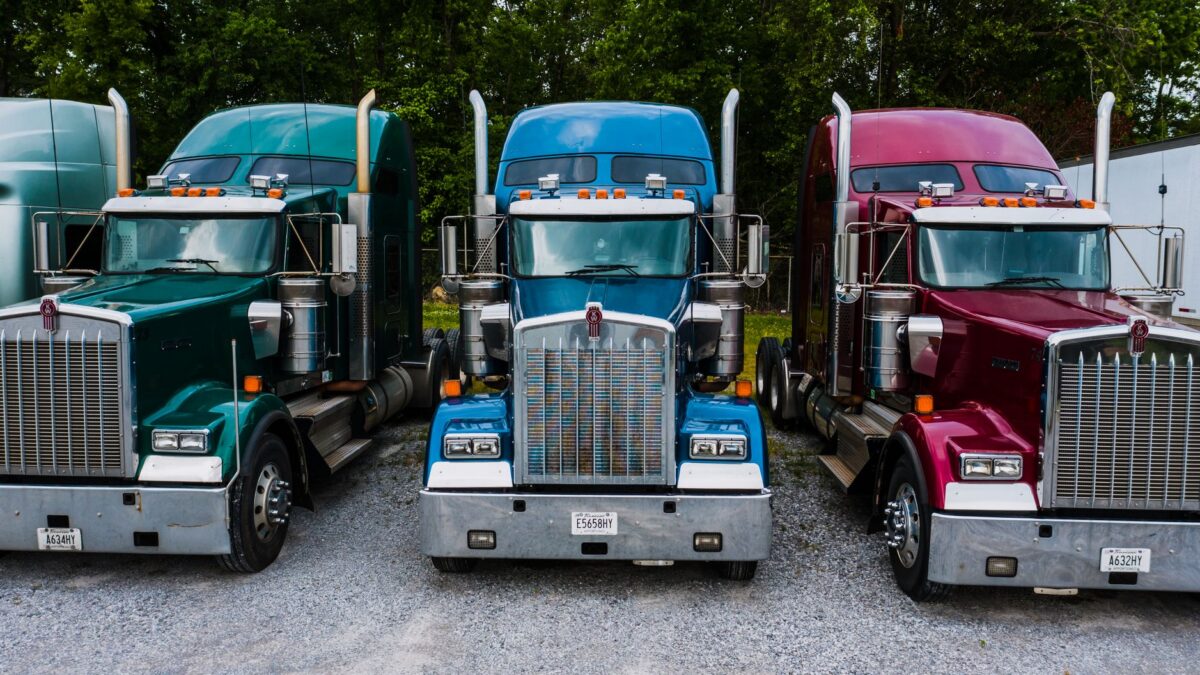
A lease-purchase program lets a driver lease a truck from a carrier or its affiliate and pay for it through weekly deductions from settlements, with the option to own the truck at the end. The driver becomes a leased-on owner-operator. Federal truth-in-leasing rules at 49 CFR Part 376 require the operating lease to spell out pay, chargebacks and escrow in writing.
How does a lease-purchase truck program work?
A lease-purchase usually involves two contracts. The first is the equipment lease or purchase agreement for the truck, often with a leasing company tied to the carrier. The second is the operating agreement that leases the truck and driver back to the carrier to haul its freight. The truck payment, insurance and other costs are deducted from each settlement, and what remains is the driver’s pay.
The weekly truck payment is fixed, but revenue depends on the loads the carrier dispatches. When miles drop, the deductions stay the same. At the end of the term, the driver may owe a balloon payment or a buyout amount to take title, so read the purchase terms as closely as the weekly figure.
What must the lease include under federal rules?
The operating lease between the carrier and the equipment owner must meet 49 CFR 376.12. The main requirements:
| Section | Requirement |
|---|---|
| 376.12(a) | Written lease signed by the carrier and the equipment owner |
| 376.12(b) | Start and end of the lease |
| 376.12(c) | Carrier has exclusive possession and control of the equipment during the lease |
| 376.12(d) | Compensation clearly stated on the face of the lease or an addendum, given before any trip |
| 376.12(e) | Who pays fuel, fuel taxes, empty miles, permits, tolls, detention, plates and licenses |
| 376.12(f) | Payment within 15 days after the driver submits the delivery documents |
| 376.12(g) | On percentage pay, a copy of the rated freight bill at or before settlement |
| 376.12(h) | Every chargeback listed, with how it is calculated, and supporting documents on request |
| 376.12(i) | No requirement to buy or rent products or services from the carrier |
| 376.12(j) | Insurance: who covers what and the cost of any coverage charged back |
| 376.12(k) | Escrow: amount, uses, accounting, interest and return within 45 days of termination |
These rules govern the operating lease. The truck financing contract itself falls mostly under general contract and consumer law, which is why a driver should read both documents together.
What are the red flags in a lease-purchase contract?
The most common problems involve money the driver cannot see or control. Watch for these before signing:
- A weekly truck payment set without a written minimum of miles or loads, so the carrier controls both your revenue and your largest bill.
- Forced dispatch with no right to refuse loads, combined with penalties for turning down freight.
- Escrow deductions with no stated cap, no quarterly interest or no statement of the balance.
- Chargebacks described in general terms such as “administrative fees” without a dollar amount or formula.
- A clause that lets the carrier terminate the operating lease and keep the truck, payments and escrow if you leave.
- A large balloon payment at the end, or a buyout price that is not stated at signing.
- Maintenance escrow that the carrier controls, with repairs only at its shop.
- No copy of the lease for you, or a lease you are asked to sign the same day without time to review.
Truth-in-leasing escrow rules help here. Under 376.12(k) the carrier must pay interest on escrow at least quarterly, at a rate at least equal to the 13-week Treasury bill yield, give an accounting on each settlement or monthly, and return the balance no later than 45 days after the lease ends.
What should I ask a carrier before signing?
- What did drivers in this program gross and net, per week, over the last 12 months? Ask for settlement samples with names removed.
- What is the total I will have paid by the end of the term, including the buyout?
- Who holds the title during the lease, and what happens to my equity if I leave early?
- Can I haul for another carrier or run my own authority with this truck before payoff?
- Who decides which repairs are done, and where?
- Can I take the contract home and have an attorney or accountant review it?
Ask for the answers in writing. To compare the deal with staying a company driver, run the numbers in our owner-operator vs company driver guide, and see how settlements work in how truck drivers get paid.
How do I file a complaint about a lease-purchase program?
Drivers can report a carrier through FMCSA’s National Consumer Complaint Database or by calling 1-888-DOT-SAFT (1-888-368-7238). Truth-in-leasing violations can also be pursued in court: federal law lets an owner-operator sue a carrier for damages caused by violations of the leasing rules.
If the carrier closes while you are under a lease-purchase, the questions about escrow and the truck are different. See what to do when a trucking company shuts down.
Bottom line
Federal rules require disclosure, not a fair price. A lease can comply with every part of 49 CFR 376.12 and still leave a driver paying more for the truck than it is worth. Compare the total cost of the program with the price of a similar used truck financed on your own before deciding.
FAQ
Is a lease-purchase the same as leasing on with a carrier?
No. A leased-on owner-operator already owns or finances the truck elsewhere. In a lease-purchase, the carrier or its affiliate also supplies the truck and takes the payment out of your settlement.
How long does a carrier have to return my escrow?
Under 49 CFR 376.12(k)(6), no later than 45 days after the lease ends, with a final accounting of deductions.
Can a carrier charge me for things not listed in the lease?
No. Section 376.12(h) requires the lease to list every item that can be charged back and how it is calculated, and you can request the documents behind each charge.
Do I own the truck if I complete all payments?
Only if the purchase agreement says so and you meet its end-of-term terms, which may include a balloon or buyout payment. Read the title and buyout clauses before signing.