ATA Truck Tonnage Dips to 114 in October as Imports Hit Record
ATA's truck tonnage index fell to 114 in October but stayed 1.8% above a year earlier, as record container imports and rising shipper spending supported freight.
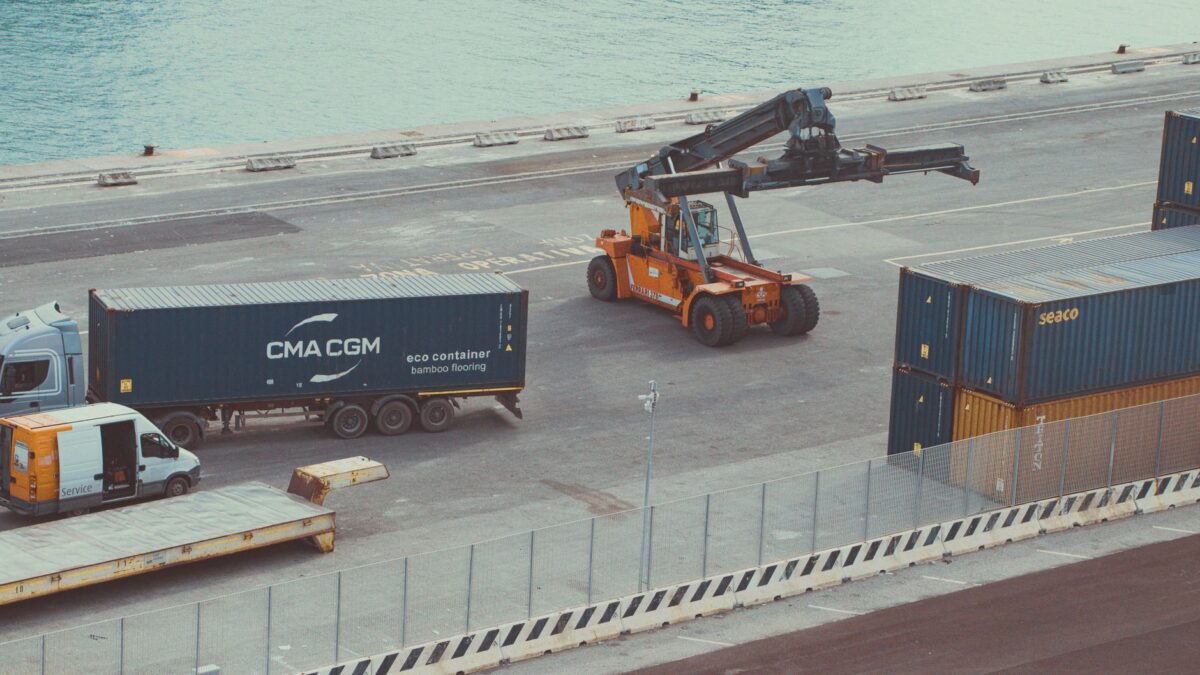
The American Trucking Associations’ For-Hire Truck Tonnage Index slipped to 114 in October from 116.1 in September, but stayed 1.8% above a year earlier, the trade federation said Nov. 24. Record container imports and higher shipper spending kept freight demand on an upward slope, according to Transport Topics.
ACT Research expects holiday volumes and tighter capacity to support higher spot and contract rates through January. For carriers and owner-operators, the figures point to firmer pricing, though the sources give no rate forecasts in dollar terms.
The central numbers
- 114: ATA’s October tonnage index, with 2015 as the base of 100. September came in at 116.1 after an upward revision from the 114 ATA first reported Oct. 20, once fleets submitted more data.
- 1.8%: the year-over-year gain in the index in both October and September. Through the first 10 months of 2026, tonnage is up 1.1% from a year earlier.
- 2,674,808 TEUs: container imports in October, an all-time high according to Descartes Systems Group. That is 16% above October 2025, 2% above the May 2022 record and 5% above September. A TEU is a 20-foot-equivalent unit, the standard measure of container volume.
- 1,026,872 TEUs: October volume at the Port of Los Angeles, up 21% from 848,424 a year earlier. It was the port’s second-busiest month on record, and September and October together were the first back-to-back months above 1 million TEUs there. The Port of Long Beach reported 937,715 containers, up 11.7% from 839,671.
- 32.1%: the year-over-year rise in shipper spending in the third quarter, the largest annual increase since 2021, according to the U.S. Bank Freight Payment Index.
- 51.6%: the year-on-year increase in the Southwest, the region with the biggest spending rise. U.S. Bank attributed it to tight capacity, as enforcement actions reduced the number of drivers available for domestic loads.
What ATA and ACT Research said
ATA Chief Economist Bob Costello described the start of the fourth quarter as mixed: a slight sequential drop after a very strong gain the previous month. He said tonnage was up from a year earlier for the second straight month, helped by rising imports, moderate growth in factory output and consumer spending.
Tim Denoyer, vice president and senior analyst at ACT Research, said in Nov. 20 commentary that volumes are ramping up into the holidays and capacity is likely to tighten further through January. He said driver availability remains low and that regulatory changes, from FMCSA rules to the coming EPA low-NOx requirements, are constraining both driver and equipment supply. He added that these factors would likely lift both spot and contract rates.
Readers who want background on how tonnage compares with other gauges can see this explainer on freight market indicators such as ATA tonnage.
Why it matters for drivers and carriers
The tonnage index measures volume hauled by for-hire carriers, and the October dip was small against a September figure that was revised higher. Year-over-year growth of 1.8% is modest, while the import and spending figures are much larger. Shippers are paying considerably more per load than a year ago, and U.S. Bank links the biggest regional jump to a shortage of drivers for domestic freight.
Denoyer’s comments suggest demand is now playing a larger role in the market than supply constraints alone. Capacity and rates in the coming weeks will show whether the holiday volume he describes materializes.
Source: Transport Topics